MY ENDOMETRIOSIS STORY PART 4 – REALITY

Endometriosis

It’s taken me nearly 2 years to write again, and even now I’m so uncertain about how I want to approach this piece.

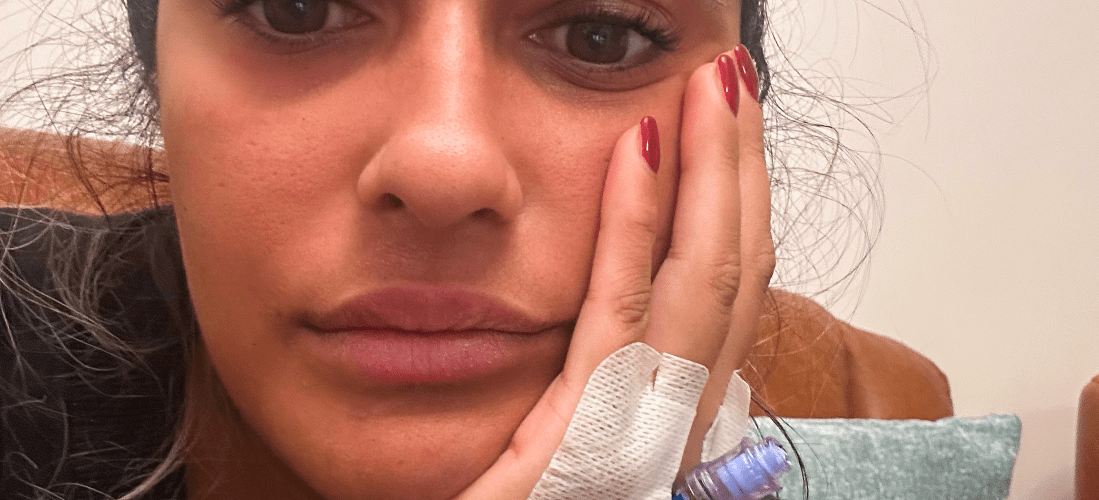
My last post was disheartening to read. The inevitability of the endometriosis coming back with a vengeance was hard to accept, and my future looked so uncertain. At this point, I can honestly say that my future has never been more uncertain. Unfortunately, with the severity of my endometriosis coming back, so have the hospital admissions. In the last two months alone, I was hospitalised three times, two of which required admission onto a gynaecology ward in two different hospitals. I never thought my condition could get as bad as it was before I was diagnosed in 2020, but as luck would have it, I’m in the worst position I have ever been in with this disease, and this is truly the worst pain I’ve ever felt in my life. 3 months of consistent pain, 10/10 in its severity, has taken its toll.

I’m so incredibly lucky to be under the care of an incredible endometriosis clinic at a hospital in London, and I want to start by saying that before anything else. Because it was an NHS referral, it took 5 months to get an appointment but when the initial appointment came through, the consultant took an extensive history of my condition, and did an immediate TVS (trans-vaginal ultrasound). I’ve had so many scans over the last 12 years that I wasn’t phased by another one, and was actually glad they were so quick with doing one in the appointment. In the TVS, they found an endometrioma on my right ovary (a cyst filled with menstrual blood that’s a common sign of endometriosis, also referred to as a “chocolate cyst”), along with some deep penetrating endometriosis, as well as adhesions around my bowel caused by the endometriosis. They also found that my right ovary was tethered to both my pelvic wall, and the side of my uterus, essentially meaning that my entire right side of my womb is stuck together. There was also a hemorrhagic (functioning) cyst found on my left ovary, but out of everything that came up on my scan, ironically that was the least concerning. I knew the endometriosis had come back so this wasn’t exactly surprising to me. It didn’t make it any less painful to hear, however. The only option after 2 laparoscopies not tried in managing my endometriosis was progesterone, the word I’d been dreading. Progesterone treatment had been recommended to me before, but I’m so hyper-sensitive to hormone therapy, and also have the Mirena coil, so the idea of more hormone therapy was terrifying. I’d previously looked into the side effects of progesterone treatment and it wasn’t pleasant. I’ve tried hormone therapy before that didn’t involve progesterone: before my first endometriosis surgery in 2020, I was tried on the Zoladex injection but had to give up after a month because of my mental health deteriorating to an all time low (https://anisahhamid.com/2021/02/05/my-zoladex-experience/). However, I was getting desperate at this point and was willing to try anything since I knew my situation was getting worse.

Unfortunately, the specific progesterone treatment I was put on didn’t work at all. In fact, I ended up in hospital three times whilst on the treatment, so it was clear that it wasn’t working for me. During one of the hospitalisations, I was incredibly lucky that the lead consultant of the clinic I am currently undergoing treatment with was working on-call in the gynaecology department that night, so she did another TVS to examine if the endometriosis had spread further, and to also rule out any ruptured cysts. They instead found I also had adenomyosis, which is slightly different to endometriosis.

Source: https://www.instagram.com/the__endo__space/p/CntVNOnPowf/

Following my third hospital admission, I was put on a different progesterone pill called Provera, with the initial dosage of 30mg (3 tablets a day). The on-call gynaecologist who came to see me the morning after I was admitted onto the ward described the Provera tablet as essentially tricking my body into thinking I am pregnant, which in turn should limit the growth/spread of endometriosis in my body and prevent any future flare-ups of pain. My main concern was the mental health consequences, of which another gynaecologist thankfully was very honest with me, and told me to come off the progesterone straight away if my mental health deteriorated to the point of being unbearable. I’ve always been adamant that I never want to compromise my mental health for my physical health. It’s a compromise that should never have to be made by women anyway when it comes to their health, and my mental health is just as important to look after as my physical health. Unfortunately, I was so desperate for a treatment to work that I did eventually end up sacrificing my mental wellbeing whilst being on the progesterone treatment. The side effects were brutal – morning sickness, fever symptoms, hot flushes which drenched my entire body in sweat, fatigue, brain fog, memory issues just to name a few. I also for the first time in my life, really experienced depression whilst my body was getting used to the progesterone. I know that this was a side effect of the pill but having been lucky in life to never have suffered from depression, my brain went into a state of shock. I truly hit rock bottom, and had never felt so low in my life. I didn’t think I could survive the feeling of being so down, without hope for the future and miserable at my prospects. Being in constant agonising pain all day everyday definitely exacerbated the feelings of depression, so it was a vicious cycle. I felt like I was drowning and I’d never come up for air again.

Thankfully, my GP realised I was suffering with the progesterone, and she decided to reduce my dosage to 20mg to help ease some of the side effects. I noticed an almost immediate difference in myself afterwards, and I’m so grateful that she listened to my concerns because that situation was truly untenable. Because my mental health was deteriorating so rapidly, my GP also made a decision I would normally have fought against: she put me on a low dose of anti-depressant. Initially, I was adamant that I didn’t want to be on a medication that would control my moods, emotions and feelings. I was scared that the anti-depressant would control me. However, the emotional turmoil of being in pain all the time, and being in the worst pain of my life, meant that I was struggling on all fronts and I needed a bit of help sorting through those emotions. I’ve found that it’s so easy to fall into a spiral of thinking “why is this happening to me?”, “what have I done to deserve this pain?”, “how much longer can I cope with this condition?” and “why have I been so unlucky with my health for so long?” Those thoughts eventually consume you until you creep closer and closer into the darkness, and the one tablet of anti-depressant has honestly helped me through those spirals. Now, I have a clearer head when it comes to my attitude towards my endometriosis and I don’t fall into the depths of those dark spirals. Don’t get me wrong, I’m still so far from myself and who I was – my mental health is at an all time low, and there are days when I can barely bring myself to get out of bed and face the morning. I’m struggling with the reality of my endometriosis coming back and being worse than it ever has been, and some days I don’t want to talk to anyone, even my parents. But the anti-depressant helps push me out of these moments, and I suppose stop them from getting any worse, which I am grateful for. The first two weeks of starting the anti-depressant however were the worst two weeks of my life – your brain essentially suffers a chemical imbalance and my moods were truly all over the place. It took two weeks for my body and brain to get used to the pill, and it was horrifically tough to get through. But, I knew it would be worth it for the end result.

Managing severe pain with painkillers has been a struggle of its own. For at least the last 4 years, if not more, I’ve been told to take anti-inflammatory drugs before I take any stronger opioid pain killers due to the potential for addiction, of which I am well aware. This extends to taking ibuprofen, and then later mefenamic acid (4 doses a day), diclofenac (3 doses a day) and most recently, naproxen (2 doses a day). What health professionals don’t tell you is that long term use of non-steroidal anti-inflammatory drugs (NSAIDs) will affect your stomach. Around the time that I started the Provera progesterone treatment, I noticed that I was having severe upper abdominal pain as soon as I ate food, almost within seconds of my first couple of bites of food. I was told it could be indigestion or dyspepsia, a side effect of progesterone treatment. I was prescribed some omeprazole which works to block acid in the stomach to help with the pain. Unfortunately, the pain only got worse and worse, to the point where I would be doubled over in agony after each meal, writhing around. The upper abdominal pain became worse than my pelvic pain, which is when I became concerned. I was referred for an endoscopy to investigate if there was anything going on in my stomach, to find that I’d actually had a stomach ulcer this whole time, as well as something called erosive gastritis. My stomach lining was eroding away and a hole was being burnt into it because of the NSAIDs I was on. It’s really hard not to feel completely let down by the healthcare system when something that could have been so easily avoided happens, as well as it being another condition I have to deal with on top of a disease that I’m fighting for my life to live with. It seems like people in healthcare are so concerned about prescribing stronger pain killers to manage acute pain, that they’d rather risk a 28 year old getting a stomach ulcer, despite the fact that I’ve shown myself to be the most sensible when it comes to my pain management. Thankfully, I am on medication for the stomach ulcer and feel so much better after starting it, so fingers crossed it resolves itself soon.

Being dealt blow after blow takes its toll when living with an incurable disease. The reality of my situation has been tough to accept, and I’ve spent so many years pretending, putting on a brave face and smiling through agonising turmoil. The reality is, endometriosis is a horrific condition. People very rarely take it seriously unless they’re specialists within the field, they don’t believe the pain you’re in, and they treat it like period pain. 5 organs in my pelvis had to be operated on to remove diseased tissue, and people still struggle to believe me. It’s even harder coming to terms with the knowledge that I’ve exhausted every avenue of treatment available now, at the cost of my mental wellbeing. I can’t stay on the Provera treatment for more than a couple of months, as the risks are severe and higher than other treatments. Which leaves the inevitability of surgery, which would make this my third laparoscopy to treat endometriosis. It’s overwhelming, and it’s incredibly sad. It’s exhausting. I’m exhausted, I’ve been fighting my body for so long, that I really am running out of fight. I have a follow up appointment next week, of which most of it is going to be spent telling the consultant about how awful my life has been over the last 3 months.

The hidden torment of this disease isn’t just physical – it’s psychological too. We’re fighting our bodies every day, every night, and then putting ourselves back together again so we can show up for our family, our friends, our workplace. I so desperately wish I could say that it gets better, but right now I really am in the worst situation of my life. I just hope to God that the next time I write on here, it’s more positive. Because the reality of endometriosis fucking sucks.

A x
My Endometriosis Story Part 3 – Acceptance of Incurability & Endometriosis Awareness Month

Endometriosis

Reading my most recent post on this site leaves me with a lump in my throat – I was 8 months post-op after my second horrific operation to remove widespread, aggressive stage 4 endometriosis and things were finally starting to look up for me. Long story short, the second operation gave me a whole new lease on life for an entire year, which I’d say was a pretty good run.

I’ve always been hyperaware of the fact that endometriosis has no cure at present, especially when talking to others about this disease. It’s the cloud that’s been hanging over my head since my diagnosis three years ago, and I’d made peace with it eventually because even though it was incurable, at least it wasn’t terminal. And realistically, after a few operations, I figured I’d be rid of the worst of the pain, surely. I reckon that was a definite 50/50 denial and naivety, not helped by the lack of understanding and information out there about this disease.

I’m now 6 weeks shy of being 2 years post-op. I want so badly to say that my life has changed for the better and I’m a brand new, shiny person. I want even more so to say that pain is nothing but a mere memory of the struggles I’d faced. Neither of those are true, and it really fucking sucks. I can wholeheartedly admit that I took last year for granted; it was one of the best years of my life because I managed to live it to the full without being controlled by severe pain. It was a whole year of being pain-free. I was able to keep working without any big hitches, I went on my first solo holiday abroad, I had the best summer of my life too. Even though it didn’t last as long as I wanted it to, I’m bloody proud of what I achieved last year and the sheer fact that I thrived in any case. I achieved a win with last year, and I’m holding onto it.

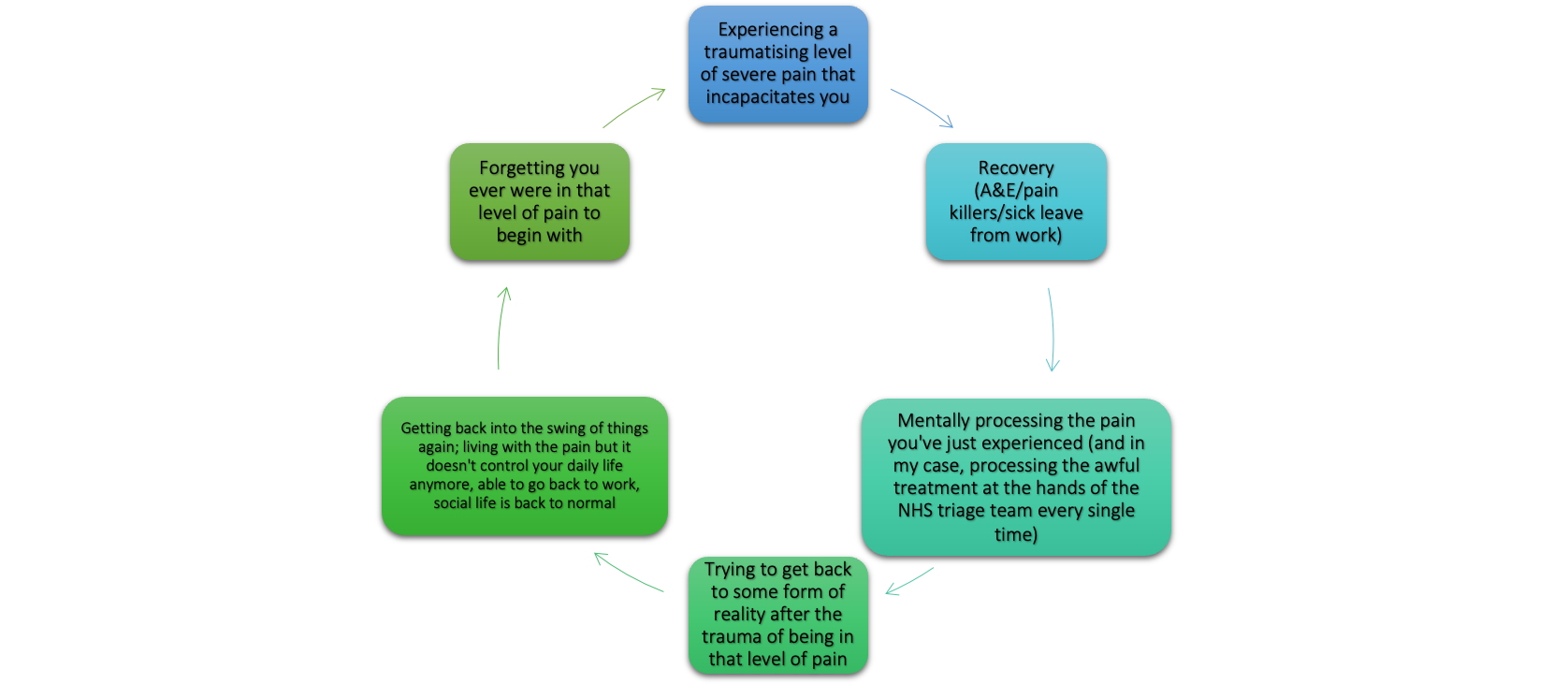
Towards the end of the year, I found myself back in A&E again after experiencing pelvic pain so severe, I couldn’t cope with it at home on the opioids I’m given to manage pain flare-ups. A few weeks later, I found myself in the same position again, and thus, an unpredictable pattern was forming. The pain has been getting worse, more frequent, and it’s spreading to other parts of my body again. For a few weeks, I believe I was in denial that I could be back to square one again. I’ve found that, with endometriosis, you’re part of a vicious cycle –

As part of the vicious cycle, I forgot how bad the pain can really get, especially with the incredible year I’d had last year. I honestly forgot what this disease is capable of, and the damage it can cause not only physically but mentally, too. Someone at my workplace recently asked me to describe the pain and it took me some time to figure out how to really answer that – on a good day, the background pain feels similar to period pain, with cramps and aches which cause discomfort but is low in its severity. On a bad day, it’ll feel like an elastic band is being tightened around my pelvis, and my ovaries are being squeezed until they’re about to burst, along with the rest of the organs which are affected by the pain. On a really bad day, the pain is nothing short of what I imagine it would be like to have the contents of my pelvis scraped out repeatedly, with a serrated knife. The sharp, stabbing and persistent pain is why 9 times out of 10, I have to go to hospital because, (and take note of this, NHS), painkillers at home, even my friendly opiates, will not touch the sides of this pain. So when the triage nurses ask me to rate my pain, I tell them its 10/10 because at that moment, it feels like my body is shutting down and I feel like I’m dying. And in those moments, I have truly wished I was dead. Every single time.

After a while, you get used to being in pain. I’m in pain every day. Some days are better than others, some days I feel half tempted to book myself in for a radical hysterectomy. There’s very rarely any in-between. But, you learn to live with it because you have no choice. The alternative is allowing it to consume you, and there really is no surviving that. The hardest part of this disease is the way people react to it – and I’m calling out all the healthcare professionals who I’ve dealt with here (excluding my private endometriosis surgeon who saved my life). Whilst I’m aware of the privilege of our NHS, I’ve experienced the worst side of it and I can’t keep quiet about it just because of the nationwide crisis at the hands of our corrupt and useless government. There’s also a global crisis within women’s health which people are not taking seriously enough, and haven’t done so for centuries. My gallbladder was removed unnecessarily because I was diagnosed wrong. I had needles of anaesthetic pumped into my spine because I was diagnosed wrong. I was forced to undergo needless, invasive procedures because doctors thought I had gastroenteritis. One doctor told me it was ‘phantom pain’ which didn’t exist, and was all in my head even though it ‘felt very real’, and suggested I see a therapist about it. Maybe the reason for such a fundamental flaw in our healthcare system is because the last time NICE guidelines in how to treat endometriosis was updated was in 2017. This disease has to be taken more seriously, and change can only start from the top otherwise the results are what I’ve experienced first-hand in hospital consistently since I was 16. Negligence, trauma which now requires me to seek therapy to process and not to mention further worsening of an already painful and incurable condition. The fact that I’ve rated my pain as 10/10 to triage nurses in A&E over the last few years, only for them to categorise me as ‘non-urgent’ on the paperwork makes me sick to my stomach. Whilst I can appreciate that a potential cardiac arrest is more life-threatening than endometriosis, the standard of care must be kept the same across all illnesses. My condition is incurable which is bad enough, but being treated like the pain is just period pain cramping takes a toll on my mental health that I’ll never fully recover from. Women should not be made to tolerate this just because we have a uterus, because I can bet all my money that if men experienced this disease, a cure would have been found yesterday. We shouldn’t be at the point where we go to hospital only to be made to beg for painkillers. Nor should we be at the point of hysterically crying and writhing around, doubled over on a chair in the waiting room to reach the threshold of being in enough pain in a doctor’s eye to receive painkillers. And needing pain relief from hospital doesn’t make us substance abusers. Unfortunately, we really have NO other choice, and there’s so many things I’d rather be doing than crying at the knees of an unrelenting doctor to give me something, anything, to take the pain away.

I don’t know why women are expected to go through this and just deal with it without any support or understanding from those who are supposed to be there, and trained, to take care of us. I don’t know why it takes on average 8 YEARS for a woman to be diagnosed with the disease. I think that’s fucking ridiculous. It scares me to think of how many young women are out there, that are being sent home by doctors without any follow-up, scans or further investigations in place when they could have endometriosis. It’s a paralysing concept, and the severity of the situation cannot be understated. Whilst I am so proud and thrilled to see that more people are taking it upon themselves to learn more about this disease and understand our plight in greater depth, this same attitude must come from the top of the NHS food chain, and then filtered right down to every single healthcare employee, from doctors to nurses to surgeons to sonographers. Take this pain more seriously because even though it might not be a case of life and death for us, it definitely feels like it.

I’ve been failed more times than I can count by those who were supposed to treat me. I’ve been let down badly, and I refuse to believe that systemic racism and sexism did not play a big part in this. But in the midst of all of that, I stumbled across a surgeon who saved me and for that I will be eternally grateful. So on this Endometriosis Awareness Month, I am on my knees begging for someone to pump more funding into the research of endometriosis so our only treatment options don’t just consist of hormone therapy and surgery, and also into the training of doctors and nurses in how to TREAT sufferers of endometriosis when they come through their doors in pain that no one will ever be able to understand. The healthcare system needs to do better when it comes to endometriosis, and that can only start from the top.

And I won’t stop screaming until I’m heard.

A x

Anisah vs Endometriosis: Round 1 – Diagnosis

Endometriosis

Making the decision to talk and write about my battle with endometriosis was a big one, made from my hospital bed post-surgery two weeks ago, when I realised I wouldn’t be able to sleep at night if I didn’t use this incredible platform I worked so hard to build to share my experience. In doing so, I hope to spread awareness of how catastrophic this disease is, the extent of its debilitating symptoms and ultimately how hard I had to fight to get to where I am now. With chronic pain and this incurable condition comes intense trauma which I’ll probably spend the rest of my 20s and 30s processing, but it’s something I believe I’m ready to push through for the sake of other women out there. This post is for the young teenagers who don’t understand why their period pains are so bad but are made to believe it’s normal; for the young women who are forced to choose between having children and having surgery to alleviate agonising pain; for the partners, husbands, fathers and friends who can’t understand what it’s like to live with this disease, and for the women who don’t think anyone is listening.

In September 2019 I found myself in a hospital bed in Mauritius where I was celebrating my graduation from university, with a doctor standing in front of me telling me a cyst on my ovary had burst and there was fluid in a uterine cavity in my pelvis. They wanted to operate on me there and then, but I was due to fly home the following day so opted to be treated in the UK. I was immediately referred to a gynaecology department in my local hospital where I’d spend the following 4 months undergoing various scans and tests to understand why I was experiencing ruptured-ovarian-cyst pain when there was no ovarian cyst anymore. During those four months, I’d also frequently find myself in a&e begging for someone to help with the pain because it was truly unbearable. I can only describe it as a continuous stabbing pain in my lower abdomen/pelvis, sometimes manifesting as though someone was physically squeezing my ovaries with their bare hands.

In January 2020, I was referred to my second gynaecology consultant after my first consultant failed to understand why I was in so much pain that it incapacitated me. He suggested I “could” have endometriosis – the only way to diagnose suspected endometriosis is to undergo a diagnostic laparoscopy. Superficial endometriosis does not show up on any ultrasound, whether it be external or trans-vaginal (internal), and so therefore “going in” was the only way they’d know for sure what was going on inside my womb and pelvis. We were approaching the height of the pandemic by this point so my surgery was understandably postponed twice, but after pleading with the doctors to push it forward due to progressively worsening pain and its severity, I eventually underwent keyhole surgery in May 2020 to explore the inside of my pelvis and find the cause of this devastating pain. It’s most ironic that my surgeons and consultants didn’t expect to find anything – the scans were clear, my blood work was completely normal. However, the laparoscopy showed extensive endometriosis tissue which had spread across my pelvis. It had reached and spread across my ovaries, the outside of my uterus, the inside of my uterus and the back of my uterus. I woke up from the operation only to be told with considerable surprise and a hint of disbelief that my endometriosis was aggressive. I was informed that the surgical team used an operating technique called “ablation” to remove these deposits of endometrial tissue but “they’d got it all“. Ablation involves burning the endometriosis deposits, as opposed to cutting it right out which is a technique called “excision”. My surgeon subsequently placed a Mirena coil in my uterus post-surgery to lessen my period pains going forward and reduce heavy bleeding. The hope was that I would eventually stop getting periods which would eventually lessen any future flare-ups caused by my endometriosis, as this is a chronic condition and so ultimately would grow back at some point.

The surgery appeared to be a success initially. It took three weeks of recovery but I was soon back on my feet afterwards and felt significantly less pain than before my operation. I was back to working out 6 weeks after the operation, and by 8 weeks post-op, my energy levels were almost back to normal. On some days, I experienced no pain at all! I came off the strong painkillers within a couple of months – it was truly miraculous and I honestly thought I’d seen the end of my fight with pelvic pain. However, come September 2020 the symptoms came back with an almighty vengeance. Once again, I’d frequently find myself in a&e being given two doses of morphine to control the pain and even that wasn’t enough. The flare-ups would get worse around my period – the first three days were agonising and at times I’d be vomiting because the pain was so intense, or doubled over in a foetal position. I’d be taking tramadol or codeine to control the pain when I was in the throes of a flare-up. And the worst part of it is that I felt like I needed to go on as normal – I’d had the surgery less than four months ago, surely my endometriosis couldn’t have grown back already? Maybe this was just post-op pain? Could it be that I was simply overly-sensitive to pain now? I was referred back to my consultant who was as confused as I was.

Over the course of the following five months, I’d have various pills thrown at me in a desperate attempt to calm me down, to no avail. In November 2020, my parents and I decided to get a second opinion – I underwent a private trans-vaginal ultrasound at an ultrasound centre in London where it was discovered that I had a 5mm endometriosis lesion in my uterus; my endometriosis had grown back in less than 7 months. To this day, I am filled with such gratitude that the woman who performed my ultrasound was a specialist in the field of endometriosis, and thus with trained eyes was able to pick up this small deposit of endometriosis that no one else on the NHS could see. Had my parents not pushed for a private scan, I’d have been none the wiser to what was happening inside my body and potentially wouldn’t have fought as hard as I did to get some answers.

After the private scan, I went back to the NHS with my new ultrasound report in hand – the NHS dismissed my report instantly. After conducting their own ultrasounds to prove a point, they couldn’t see any endometriosis at all despite my excruciating pain and multiple trips to the emergency room for morphine and codeine to control my symptoms. One ultrasound sonographer even claimed this 5mm endometriosis lesion was “simply hormonal“. I was put on three different contraceptive pills anyway, all of which failed to make an impact on my worsening symptoms. I was given a hormone suppressing injection which almost obliterated my will to live and physically wrecked my body. I was then given more contraceptive pill options. It was only in March 2021 that we realised something I wish I’d figured out seven months prior – my endometriosis doesn’t respond to hormonal treatment and I don’t respond well to hormonal treatment either. I’ve come to learn that this is common in endometriosis sufferers – some forms of the condition can be well-managed by the contraceptive pill alone as endometriosis is estrogen reliant, but some forms of the disease such as mine require a more aggressive approach. By March this year, my quality of life had deteriorated extensively. I was in pain every single day of the month; I knew nothing else but agonising cramps which would paralyse me; the constant feeling like my ovaries were being either stabbed or physically ripped out of my body. The onset of pain would be so unpredictable that I’d wake up with baseline, bearable pain but suddenly I’d be at work, doubled over and gasping for breath because my cramps would intensify – going home isn’t even remotely a viable option either during the throes of endometriosis pain, so I’d just have to suffer through it with a forced smile on my face. The symptoms were also evolving rapidly – I was starting to experience crushing chest pains, burning shoulder pain on my right side, pelvic pain radiating down both of my legs resulting in me losing feeling in them on the odd occasion, stabbing pain when I went to the toilet (I’d have to literally push myself off the toilet seat whilst screaming because the pain was too much to bear when sitting down) and a stabbing pain in my upper right abdomen, just underneath my ribcage. No one could make sense of my escalating symptoms and despite undergoing countless, extremely invasive scans and tests, everything came back clear to them. The NHS eventually stopped believing my pain, and what’s worse is that they stopped taking my concerns seriously. They’d given up on me, instead suggesting my priority as a 25 year old should be focussing on my fertility as opposed to having another operation which could jeopardise my chances of falling pregnant – this is categorically incorrect and an example of the outrageous standard of care I was given on the NHS. Fertility will not be affected by endometriosis surgery if performed by the right surgeon who knows what they’re doing!

In March 2020, after refusing to try a second dose of the Zoladex injection, I requested to speak to the consultant overseeing my treatment and care. He was my fourth consultant since September 2019, and supposedly a specialist in the field of endometriosis so I hoped he’d thought of more options in terms of my treatment plan. As expected however, that phone call was nothing short of traumatic; the consultant continuously defended his choice of treatments despite the evident deterioration of my mental health as an inevitable consequence of various hormonal treatments. He was incredibly condescending and refused to take ownership of the state I was in. He took no responsibility for his failings as a doctor and a gynaecological specialist. In fact, at one point he stated, “at least we know you won’t able able to cope with the menopause in the future” after I detailed my traumatic experience of taking the Zoladex injection. I felt let down, hopeless and devastated after that telephone consultation. I was close to giving up and almost resigned myself to a lifetime of ovarian and womb pain that would dominate my entire identity. I can’t put into words how emotionally exhausted I was at that point; I honestly thought there was no end in sight and this agony would be the end of me.

My parents and I decided that my condition was too severe to continue on the NHS path – I wouldn’t survive it. I decided to investigate some endometriosis specialists in London who had a greater knowledge of the disease than the NHS doctors I’d been condemned to. I was desperate to talk to someone who understood the science behind endometriosis and who could offer me an alternative to taking two forms of contraception at the same time. I just so happened to stumble across a specialist based in Central London who was apparently the “best in the field” (I won’t mention his name out of respect for his privacy, but Google introduced us!) In fact, every review of him exceeded outstanding and so I took the plunge and messaged him. Three weeks later, I was sitting in his office smiling on the verge of tears underneath my face mask with incomprehensible gratitude – I’d found someone who took me seriously and offered me a coherent explanation for every single one of my symptoms and why I was still suffering. He discussed the science behind the different types of pain I experienced, then offered me clear solutions with sincere confidence and ease; it was at that point that I knew I’d come to the right person. I’ll discuss in greater detail the treatment I underwent under his care in another post because it needs to be shared but I also needed to draw attention to it now. Because I didn’t think anyone would listen to me again after the experience I had with the NHS – for months, all of my symptoms were belittled and my concerns dismissed. I felt like my endometriosis would control my way of life for the rest of my years and I lost all hope in ever being pain-free again. I felt small in the face of the NHS consultants and doctors; not once did I see or feel an ounce of compassion, empathy or a willingness to understand my plight. They threw medication at me without even contemplating whether or not those drugs would be in my best interests, what with my reaction to hormone therapy in the past. I’m 25 years old, and I’ve spent the last nine years of my life in and out of hospital, in pain I can’t even put into words to describe anymore. I lost the very essence of who I was and instead I became a young woman filled with resentment and anger towards the world around me. The smallest things would irritate me, and the most mundane things would set off anxiety attacks in public. I was constantly at war with myself and this affected every single aspect of my life. Being in that much pain for such a long period of time was also incredibly isolating; I felt desperately alone in my suffering and despite surrounding myself with the most incredible circle of friends, I ended up hiding it all from them because I knew they wouldn’t understand what I was going through. So, to have found someone who instantly listened to me, took my symptoms on board and acted on them immediately makes me the luckiest girl in the world.

The one lesson I can take away from my battle with endometriosis is please listen to your body and act on your concerns. You know your body better than anyone else on this planet – if something doesn’t feel right, follow your instincts. It’s so much better to know and it be nothing, than to ignore it and the consequences be devastating. Had I stayed with the NHS this year and not fought for my health, my endometriosis would have destroyed four organs in my pelvis and caused irreversible, life-changing damage. All because my doctors couldn’t be bothered to investigate my pain further and take this condition seriously. Women across the world elect for hysterectomies because their endometriosis is too severe for them to cope, and treatment either isn’t working or isn’t being made available/accessible to them. This disease at times destroyed me, but it’s now given me a purpose in life – to ensure no other woman has to go through what I did and feel the hopeless despair at being refused certain treatment.

I cannot emphasise this enough – my scans came back completely normal but when my surgeons opened me up, they found diseased tissue spread across my womb. My excruciating pain was my body’s way of crying out for help, and I’ll be forever indebted to my current surgeon and the team of private specialists who listened to it without any hesitation and offered to help in any and every way they could. The NHS needs to do better when it comes to women’s health. Don’t dismiss a young woman’s pain – endometriosis pain needs to be taken more seriously. I’ve had my gallbladder removed and even that was nowhere near as painful as this. Train your consultants and specialists to treat patients with compassion and empathy – this disease is traumatising as it is, but being made to feel small and belittled by the people who are supposed to help you is a horrifying feeling. I was made to feel embarrassed and ashamed for begging for help from the consultants who continued to fail me. During every consultation, I’d break down in tears at least once, only to find the doctors staring at me with significant discomfort and unease – I was never comforted and I’m struggling to find the words to describe how helpless and devastated I’d feel during these consultations. I deserved to be taken seriously but my doctors robbed me of that right the second they implicitly categorised me as a girl who experienced cramps and some pain. I’m still of the opinion that because my pain didn’t manifest as something physical that my doctors could visibly see and treat, they struggled to believe it was real. I’ll have a hard time forgiving them for what they put me through.

A x